Sponsored article
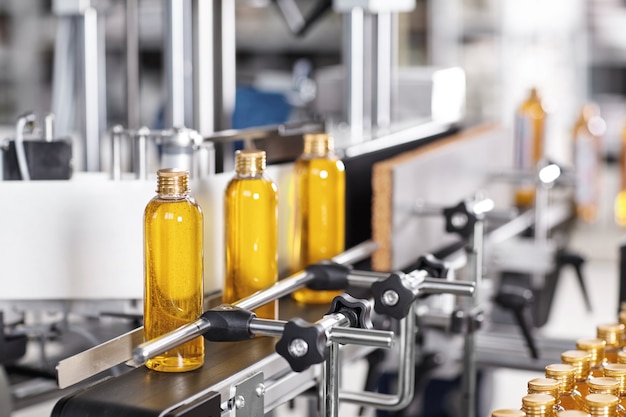
The food manufacturing industry is witnessing a revolution with the advent of automated packaging solutions. These technological innovations are not just about enhancing efficiency; they are reshaping cost structures, elevating quality control, and ensuring safer, more reliable products. As manufacturers look to stay competitive, understanding the profound impact of automation in packaging processes becomes crucial for future growth and sustainability.
In the fast-paced world of food manufacturing, achieving top-tier efficiency is crucial, and automated packaging solutions play a pivotal role in this transformation. By incorporating state-of-the-art technology, businesses can significantly enhance their production speed, resulting in faster throughput and meeting market demands. Automated packaging systems seamlessly streamline workflows, removing bottlenecks and ensuring that every phase of production aligns smoothly from start to finish. With automation, tasks that were once prone to human error are executed with precision, reducing wastage and increasing overall productivity. Companies like Rafpol lead the charge in optimizing these processes through advanced machinery, tailored to meet diverse needs. As a result, the integration of automated packaging solutions not only elevates operational efficiency but also augments the capability to adapt swiftly to changing market dynamics, ultimately driving growth and profitability in the food manufacturing industry.
In the competitive landscape of the food manufacturing industry, cost reduction becomes a critical factor for maintaining profitability. One of the most transformative ways to achieve this is by embracing automated packaging solutions. Automation in packaging significantly reduces labor costs by replacing manual processes with efficient, machine-driven operations. This shift not only alleviates the dependency on human operators but also minimizes the risks associated with human error, leading to consistent production quality. Furthermore, automated systems excel in reducing packaging waste, as they ensure precision and accuracy in the use of packaging materials, avoiding overuse or unnecessary excess. These solutions are programmed to optimize resource use, which further contributes to cost reduction by utilizing materials and energy most efficiently. The implementation of automation in packaging ultimately streamlines the production process, allowing food manufacturers to achieve substantial savings while maintaining high standards of product quality and safety.
Enhancing food safety with automated systems is reshaping the landscape of the food manufacturing industry. As these advanced technologies are integrated into packaging processes, they play a pivotal role in contamination prevention, significantly reducing the risk of human error and exposure to harmful bacteria or allergens. Automated systems ensure that food products are handled in a controlled environment, where direct human contact is minimized, thereby mitigating potential contamination risks. One of the standout features of automated systems is their ability to deliver consistent quality control. These systems provide real-time monitoring and precision in packaging processes, which is critical to maintain the high standards required in food safety. Moreover, the incorporation of automated solutions ensures compliance with stringent industry regulations, as they are designed to meet hygiene and safety standards mandated by authorities. Altogether, automated packaging solutions are not only enhancing operational efficiency but are also fortifying food safety measures in the industry.